
Flounder: How to Catch More of Them
A playbook built from state and provincial wildlife pages. Reviewed October 25, 2026.
Also called: southern flounder, summer flounder, fluke, gulf flounder
Jump to: How to recognize one · Where they hold · Baits and lures · Releasing a fish · Sources
The five-minute version
- Keep bait or lure in contact with the bottom: flounder ambush from there (North Carolina, Texas).
- Live bait is preferred: finger mullet, shrimp or killifish (called mud minnows locally), retrieved slowly along the bottom (Texas, North Carolina).
- Fish jetties and oyster reefs that extend from shore, bridges and docks, and soundside marshes (Texas, North Carolina).
- In fall the best rod-and-reel catches come from channels and passes leading to the Gulf (Texas).
- On the Gulf coast, shoreline areas with cord grass in the back bays are good producers (Texas).
How to recognize one
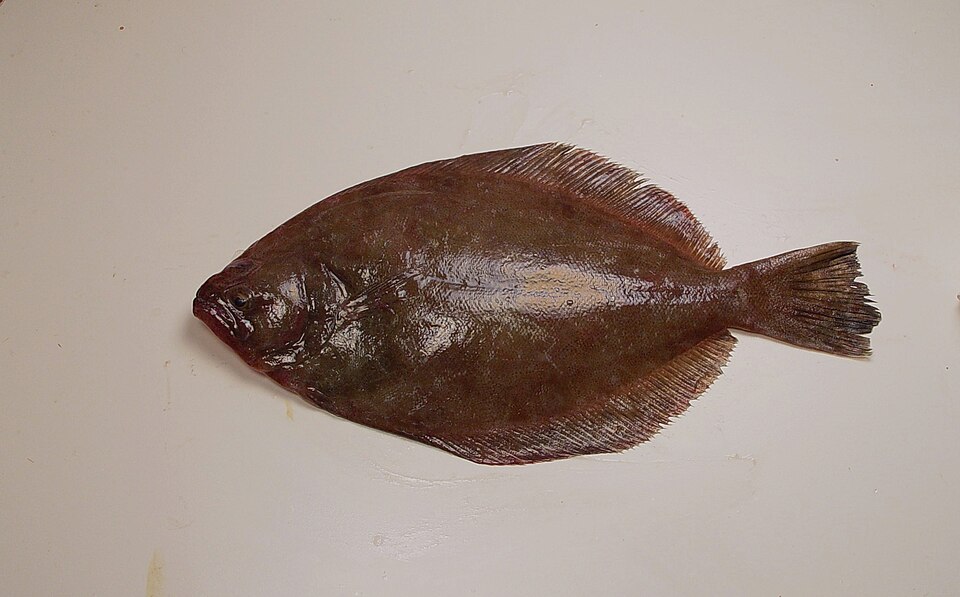
- Southern flounder: brown on the left side with dark and light spots and blotches, not ringed or ocellated, with a white right side (North Carolina). Typical catches are 15 to 18 inches.
- Summer flounder: flat and disc-shaped, white on the right side and brown, gray or olive on the left, with three ocellated dark brown spots near the tail forming a triangle pointing toward the head (North Carolina).
- Gulf flounder: olive-brown with three prominent ocellated dark spots forming a triangle on the eyed side, and numerous white spots on the body and fins (North Carolina).
Where they hold
- Southern flounder: oceans and estuarine waters from Virginia to southeast Florida and the Gulf. Juveniles seek shallow grassy areas near Gulf passes; some move into coastal rivers and bayous (North Carolina, Texas).
- Texas says shoreline areas with cord grass in the back bays are good, and slightly silty or muddy bottoms are better than hard sand, and that the mouths of small bayous and sloughs often yield flounder.
- Summer flounder: high-salinity coastal and estuarine waters in spring and summer, moving offshore in winter (North Carolina).
- Gulf flounder: nearshore rocky reefs and inshore tidal creeks on sandy or muddy bottoms (North Carolina).
Seasonal movements
These notes come from the Texas and North Carolina agency pages listed at the bottom. Neither gives water-temperature numbers for southern or summer flounder.
Fall: leaving the bays
Texas says adult southern flounder leave the bays in fall to spawn in the Gulf, in large concentrations. North Carolina says southern and summer flounder spawn offshore in fall and winter.
- Texas says the best rod-and-reel catches in fall come from channels and passes leading to the Gulf.
Spring: returning to the bays
Texas says Gulf fish return to the bays in spring, gradually, and that some adults stay in the bays through winter. It also says young fish enter the bays in late winter and early spring.
- Texas says that in spring, wading anglers work channel edges such as the Intracoastal Waterway.
Gulf flounder: cooling water
North Carolina says gulf flounder spawn from October through February off the southeast Atlantic and Gulf coasts, as the water cools from about 73°F to 57°F.
- North Carolina says juveniles move into estuarine nurseries from January through April.
Techniques that work
Drift and hop
North Carolina says summer flounder are caught by surf fishing, drifting in inlets, trolling, and from piers and nearshore wrecks and hard bottoms.
Rod and reel at structure
Texas says to fish around jetties or oyster reefs that extend from shore into the bay, with light tackle.
Jig or plug the marsh edge
North Carolina lists jigging or plugging along soundside marshes, and bridges, docks and the nearshore ocean for southern flounder.
Slow along the bottom
Texas says to retrieve live shrimp or killifish slowly along the bottom.
Baits and lures
Live bait
Live finger mullet on a single-hook rig (North Carolina); live shrimp retrieved slowly along the bottom; killifish, called mud minnows locally, fished the same way. Texas says flounder prefer live bait to dead bait, and that killifish can be collected with a cast net or minnow seine.
Cut bait and minnows
For summer flounder, North Carolina lists cut bait, shrimp, live minnows, small bucktail lures and jigs.
Artificials
Leaded plastic worms (worm jigs) work well over barren bottoms, and shallow-running spoons work best in heavily vegetated areas (Texas).
- Texas says calm nights and clear water are best for the night-time methods it describes, and that stingrays also use the shallows at night, so confirm what you have hooked.
A starter setup
- Texas says light tackle for rod and reel fishing offers the best sport and chances.
- Hook, line and rod specifics are not given on the Texas or North Carolina pages.
If you are releasing a fish
These are general handling tips from Texas Parks & Wildlife. They say nothing about harvest rules: check your state's rules for that.
- Wet your hands, or use a wet rag or glove, before handling a fish.
- Minimize the time the fish is out of the water: no longer than you can hold your breath.
- Use needle-nose pliers, hemostats or a hook remover to take out the hook and protect your hands, and consider barbless hooks.
- If a net is needed, use a rubber-mesh landing net instead of abrasive nylon.
- When fishing in deep water, bring fish in slowly so they can adjust to the changing pressure.
Taking this fishing? Save it to your phone so it opens without a signal.
On iPhone: tap the Share button, then Add to Home Screen.
Sources
- Texas Parks & Wildlife: Southern Flounder
- North Carolina Division of Marine Fisheries: Flounder
- Texas Parks & Wildlife: Catch & Release Tips
This page is information only. It reports what the agencies above publish, from different states and years, so local waters can differ. It is not legal advice and does not tell anyone what to keep, catch or eat. Bait, tackle and hook rules vary by state and by water, so confirm with your state fish and wildlife agency. CatchCheck uses AI to identify fish from photos, and the ID can be wrong.